
Power Outage Preparation
Wright-Hennepin works to minimize the occurrence of power outages, but it is important to be prepared for one if it should it happen.
Wright-Hennepin does everything it can to avoid interruptions to your electric service. But sometimes, weather can make power outages unavoidable. Here are some tips so you can be prepared:
- Never touch a fallen power line, and assume all wires on the ground are electrically charged. Call Wright-Hennepin at (763) 477-3100 to report fallen lines immediately. Avoid contact with overhead lines at all times.
- Stay tuned to weather forecasts.
- Medical emergencies: Wright-Hennepin attempts to provide members on life-support systems priority during outages. If you or a family member requires some form of life-support, make sure you are on Wright-Hennepin’s critical service list before an outage occurs.
- Consider obtaining a backup source of power in case the power does go out for an extended period. Keep your backup generator in good condition and test it periodically. Never run a generator inside your home.
- Have an outage kit prepared ahead of time, containing the following items:
- Working flashlight
- Battery-powered radio
- Extra batteries
- Outage numbers
- Candles and matches (never leave a candle unattended)
- Standard touch-tone phone (not cordless) and a fully charged cell phone
- First aid kit
- Fire extinguisher
- Bottled water
- Non-perishable food
- Avoid opening the refrigerator and freezer so you don't lose cold air.
- Do not operate charcoal or propane-powered equipment inside your home.
- After the storm: Replace used batteries in your emergency kit and restock food and water to be prepared for the next storm.
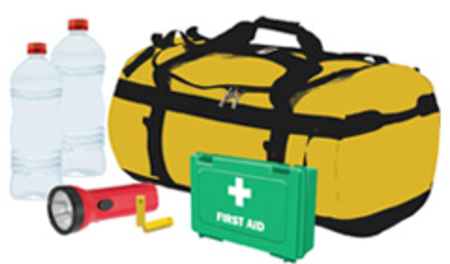
Be Prepared
Be prepared for power outages with an easily accessible and fully stocked “disaster kit.” You can also sign up to receive outage notifications.