New Look!:

Welcome to the new WH website. We hope you find what you need easily!

Planting and Digging Safety

Before you put a shovel in the ground or plant a new tree, it's crucial to know what's below and above you. Accidents involving underground or overhead electrical infrastructure can lead to serious injuries, power outages, and costly repairs. By planning smart and planting safely, you not only protect your family and community but also help ensure reliable utility service for everyone.
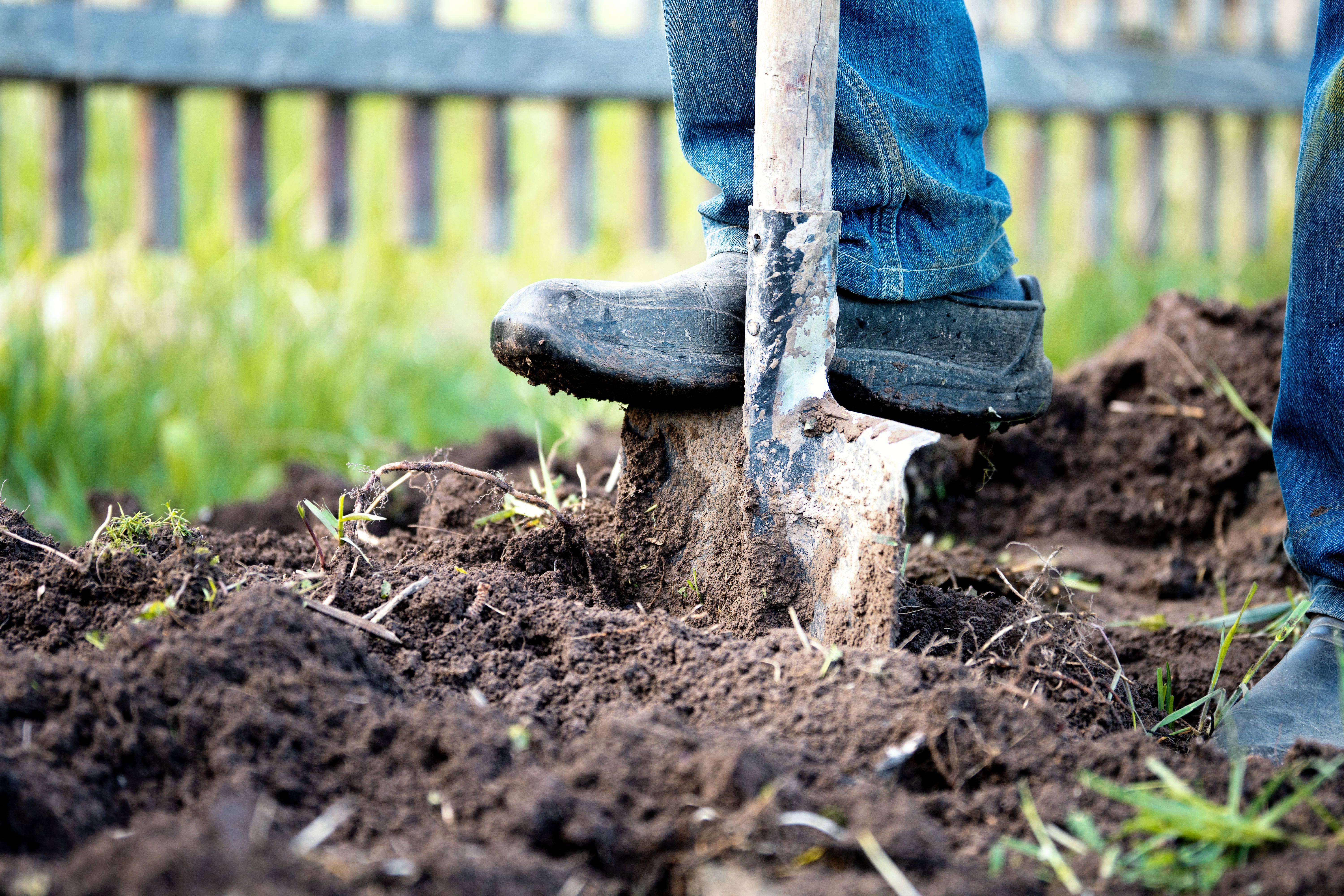

Call Before You Dig: It's the Law and It's Safe!

Hitting an underground utility line while digging can cause severe injury, service interruptions, and costly repairs. That's why calling 811 before any digging project is not just a good idea—it's required by law.

What is 811? 
811 is a free national service that helps you locate underground utility lines, including electric, gas, water, sewer, and telecommunications lines, before you dig. When you call 811 or visit their website, local utility companies will come to your property and mark the approximate location of their buried lines.

Always call at least three business days before you plan to dig.

Image
planting

Planting Near Power Lines

When planning your landscaping, consider the mature size of trees and shrubs to ensure they don't interfere with overhead power lines. Trees that grow too tall or spread too wide near power lines can cause outages, create fire hazards, and complicate maintenance for our crews.
 

Tips for Safe Planting Near Overhead Lines:

Avoid Tall Trees: 
Never plant tall-growing trees directly under or very close to overhead power lines.

Maintain Clearance: 
For medium-sized trees, maintain at least 20 feet of clearance from power lines at their mature height.

Choose Wisely: 
Select slow-growing, low-profile species for areas near power lines to minimize future conflicts.

Download Planting Guide
Image
Father and son planting a tree.

What to Plant & What to Avoid Near Power Lines

Avoid These

Tall-Growing Trees: 
Trees that can grow over 15 feet tall and interfere with overhead lines. Examples: Maple, Oak, Spruce, Most Pine Trees, Willow, Elm, Ash, Birch.

Fast-Growing Trees: 
Species that quickly reach heights that could impact power lines.

Plant These

Low-Growing Shrubs and Grasses: 
Plants that mature at heights less than 15 feet. Examples: Dogwood, Crabapple, Honeysuckle, certain Sumac varieties, Hydrangeas.

Smaller Ornamental Trees: 
Varieties known for their limited mature height and narrow canopy.
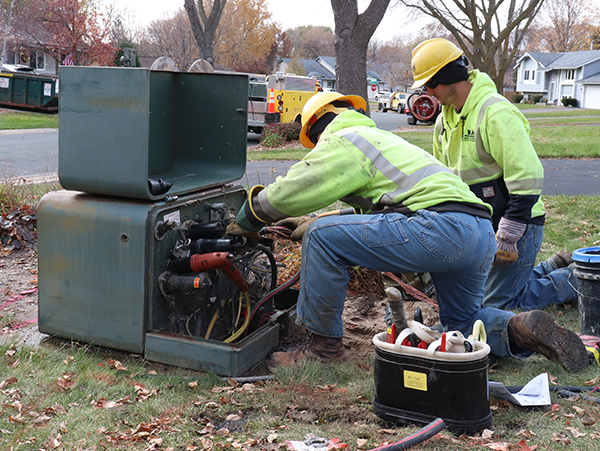
Planting Near Electrical Boxes (Pad-Mounted Transformers)

Those green metal boxes in yards are called pad-mounted transformers, and they are critical components of our underground electrical system. They need to be accessible for our crews to perform maintenance, make repairs, and restore power, especially during emergencies.
 

Key Tips for Landscaping Around Electrical Boxes:

Maintain Front Clearance: 
Always keep at least 10 feet of clear space in front of the transformer (the side with the lock). This is where crews need to work.

Maintain Side & Rear Clearance: 
Ensure at least 4 feet of clear space on the other three sides (sides and back) of the transformer.

No Obstructions: 
Do not obstruct the box with fences, dense shrubs, excessive mulch, or large rocks. Avoid planting directly beside it.

Air Circulation: 
Adequate air circulation around the transformer helps dissipate heat and extends the equipment's lifespan. Never cover the equipment.


Image
transformer

Safe Landscaping Tips

Beyond just power lines and boxes, general safe landscaping practices can prevent accidents:

Look Up, Look Down: 
Always be aware of your surroundings, both overhead and underground, before starting any outdoor project.

Use Proper Tools: 
Use appropriate tools for the job and follow manufacturer safety guidelines.

Stay Hydrated: 
Especially on warm days, take breaks and drink plenty of water.

Vegetation Management

Learn how our tree trimming and right-of-way work help prevent outages, improve reliability, and keep our system safe.

WH Tree Services

Explore professional tree trimming, removal, and maintenance services available to members through WH’s trusted tree care team.

Stay Safe Around Power Lines

Learn what to do around power lines and electrical equipment to protect yourself, your family, and your property from serious safety hazards.