Power Line Safety
At Wright-Hennepin (WH), your safety is our utmost priority. Electricity powers our homes, businesses, and communities, making modern life possible. However, understanding how to safely interact with power lines and electrical equipment is crucial to prevent accidents and protect yourself and those around you during everyday activities and in emergencies.
What To Do If You See a Downed Line
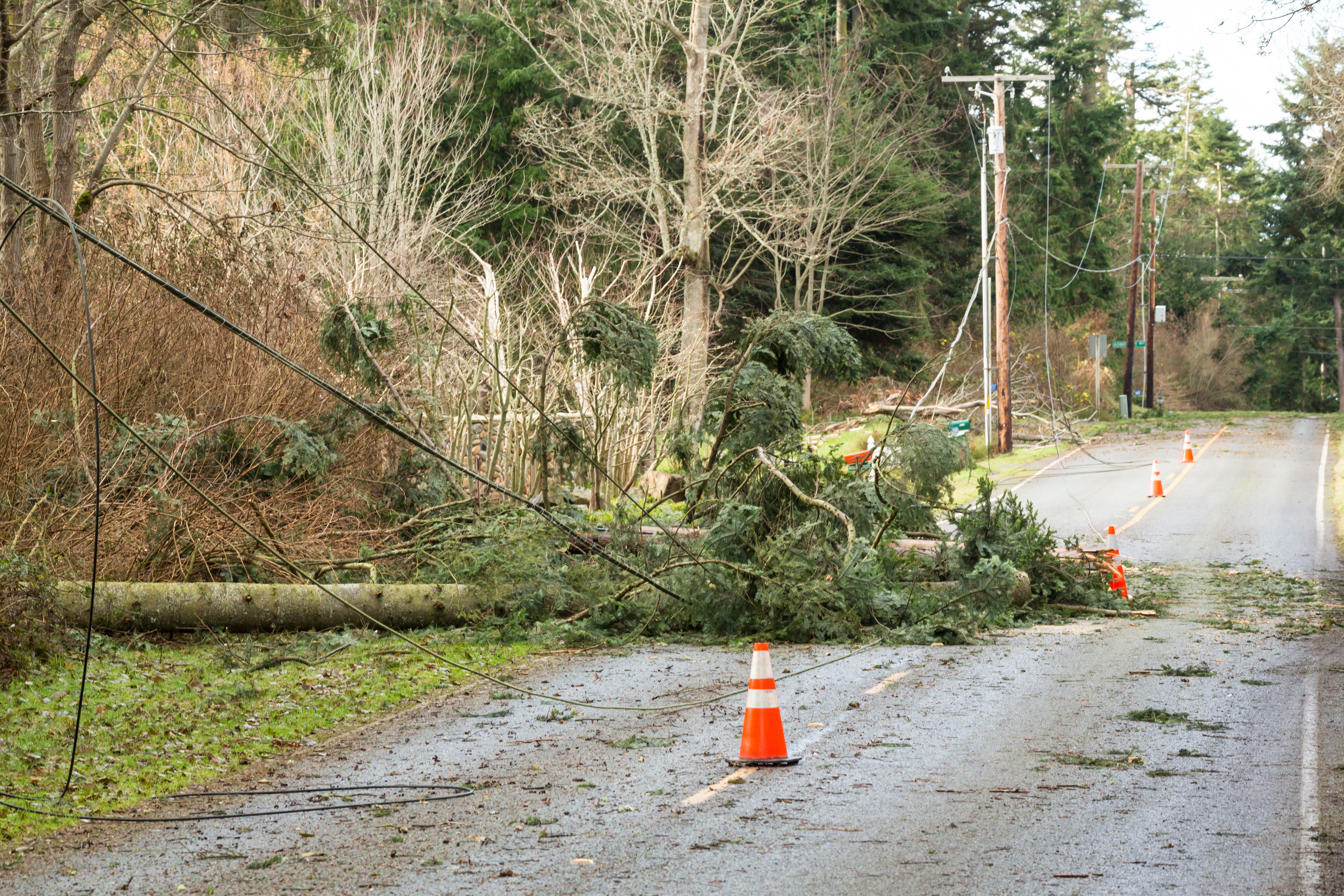
Downed power lines are incredibly dangerous and require immediate attention. Your actions can save lives.
Stay At Least 35 Feet Away:
This is the minimum safe distance. The ground around a downed line can be energized, so assume the danger zone extends outward.
Call 911 Immediately, Then Call WH:
Report the downed line to emergency services (911) first, then call Wright-Hennepin at (763) 477-3000.
Do Not Touch or Move It:
Never attempt to touch a downed line or anything it's touching. Do not try to move it or help someone who has come into contact with it. Wait for trained professionals to arrive.
If a Line Falls On Your Car:
- Stay Inside: Remain inside your vehicle unless there is an immediate threat of fire. The car acts as an insulator, protecting you from the electricity.
- If You Must Exit Due to Fire: If the vehicle is on fire and you must escape, jump clear of the vehicle, landing with both feet together. Do not touch the car and the ground at the same time. Shuffle or hop away with your feet together until you are at least 35 feet clear of the vehicle and the line.
Electric Safety for Kids
Explore kid-friendly tips, lessons, and activities that teach children how to stay safe around electricity at home and outdoors.
Digging & Planting Safety
Find guidance on safe digging and planting practices, including when to call 811 before starting any project.
Prepare for Power Outages
Get practical steps to help your household stay ready, informed, and comfortable when the power goes out.